
Views: 0 Author: Site Editor Publish Time: 2026-10-31 Origin: Site
Mud. High humidity. Abrasive rock dust. Underground mining environments are brutally unforgiving. When heavy machinery breaks down deep in a shaft, operations do not just slow down. They grind to an absolute halt. The negative effects of unplanned equipment downtime cascade rapidly. A simple mechanical failure quickly transforms into severe production losses. Emergency repair costs skyrocket, and critical safety hazards emerge.
To combat these harsh realities, implementing a structured Underground mining equipment maintenance program serves as your ultimate defense against operational inefficiencies. In this comprehensive guide, we explore practical field strategies. We provide an actionable maintenance checklist and highlight the common pitfalls leading to catastrophic failures. By shifting from reactive fixes to modern predictive strategies, operators drastically reduce operating costs. This is how you maximize the lifespan of capital-intensive assets.
Proactive Over Reactive: Implementing a strict preventive and predictive schedule is the most effective method to slash unplanned downtime.
Equipment-Specific Care: Heavy-duty assets demand specialized daily attention due to immense structural and thermal stress.
Cost Efficiency: Grasping the true cost of downtime justifies the initial investment in maintenance software and OEM service partnerships.
Avoiding Common Pitfalls: Skipping daily pre-shift walkarounds and ignoring fluid contamination are frequent mistakes leading to total failure.
Leveraging Technology: Modern fleet management relies heavily on condition monitoring and data analytics to optimize performance.
Understanding the financial impact of machinery failure is critical for mine operators. Maintenance is not merely a backend operational necessity. It is a primary financial strategy that actively protects the bottom line. When heavy machinery fails in a subterranean setting, the resulting expenses bleed through the entire operation.
The immediate financial hits of a breakdown are highly visible. When a machine fails unexpectedly, operators face massive emergency repair fees. These often include premium labor rates for specialized mechanics dispatched to remote sites. Sourcing replacement parts on short notice frequently demands expedited shipping. This adds logistical nightmares to the bill. Replacing a destroyed hydraulic pump or a seized transmission is expensive. However, these direct costs usually represent just a fraction of the total financial damage.
Beyond immediate repair bills, indirect costs inflict the most severe financial wounds. Underground workflows are highly interdependent. A stalled machine creates an immediate bottleneck in a narrow tunnel. This halts the entire extraction and transportation cycle. For perspective, consider a mine producing 500 tons of ore per hour valued at $100 per ton. A single hour of unexpected downtime vaporizes $50,000 in deferred or lost revenue. Over a standard 12-hour shift, this single point of failure completely devastates a quarterly production target.
Financial metrics aside, poorly maintained equipment drastically elevates the risk of subterranean accidents. Degraded fire suppression units, worn braking systems, or weeping hydraulic lines pose immediate life-threatening risks. Operators work in claustrophobic spaces where there is no room for error. Regulatory bodies enforce uncompromising compliance standards regarding machinery upkeep. Failures resulting in safety incidents trigger severe regulatory fines and mandatory operational shutdowns. Ultimately, this jeopardizes the operational license of the mine.
Specifically, looking at global mining operations, the industry is experiencing a massive technological shift. Mine operators are abandoning outdated static spreadsheets. Instead, they are embracing Industrial Internet of Things sensors and AI-driven analytics. Furthermore, there is a strong push toward battery-electric vehicles to meet strict decarbonization goals. This transition fundamentally changes maintenance profiles. Modern maintenance now demands hyper-vigilant thermal and electrical monitoring alongside traditional mechanical checks. Predictive maintenance is no longer a luxury. It is an operational baseline driving the future of subterranean extraction.
To mitigate the immense risks associated with mechanical failure, operators deploy various maintenance philosophies. The sophistication of these strategies directly dictates the overall reliability and profitability of the fleet.
Reactive maintenance involves pushing machinery until a component physically breaks. Crews then scramble to repair it. This might seem appealingly cheap in the short term for non-critical parts. However, it is mathematically and operationally unsustainable in underground mining. Running heavy equipment to failure almost always guarantees severe collateral damage. A shattered bearing can easily destroy an entire transmission housing. Furthermore, retrieving a completely disabled machine from a deep decline is logistically complex and exorbitantly expensive.
Serving as the baseline for a healthy fleet, preventive maintenance relies on strict calendar-based or usage-based servicing. This encompasses routine tasks like changing engine oil every 500 hours or replacing clogged air filters monthly. It also includes rotating tires based on haul mileage. By rigidly adhering to OEM-recommended service intervals, maintenance crews swap out wear parts long before they fail. This establishes a consistent baseline of machine reliability.
Predictive maintenance represents the pinnacle of modern asset management. It utilizes condition-based monitoring to dictate exactly when service is required. Using sensors to track high-frequency vibration, abnormal temperature spikes, and fluid degradation changes everything. It allows teams to intervene precisely when a part begins to degrade. This surgical approach maximizes component life. It reduces unnecessary preventive replacements and virtually eliminates catastrophic unplanned downtime.
| Maintenance Strategy | Implementation Method | Cost Impact | Fleet Reliability |
|---|---|---|---|
| Reactive | Run to failure, fix when broken | High emergency repair costs, massive production loss | Very Low |
| Preventive | Scheduled intervals based on OEM manual | Moderate, predictable operational budget | High |
| Predictive | Sensor-based real-time condition monitoring | High initial setup, lowest long-term lifecycle cost | Maximum |
A structured and disciplined approach to physical inspections remains the primary defense against unexpected breakdowns. Maintenance supervisors can immediately implement the following tiered checklist. This establishes a culture of reliability across the fleet.
The pre-shift walkaround is arguably the most critical task of the day. Before turning the ignition key, operators must physically inspect the machine to identify visible anomalies.
Fluid Levels: Verify engine oil, hydraulic fluid, transmission oil, and coolant levels. Sudden drops are red flags. They point to internal or external leaks demanding immediate investigation.
Tires and Tracks: Scrutinize tires for uneven wear patterns, deep sidewall cuts, and proper inflation pressure. For tracked equipment, ensure correct track tension and inspect for missing pad bolts.
Safety Features: Rigorously test service brakes, parking brakes, headlights, and strobe beacons. Never skip testing backup alarms and fire suppression systems.
Visual Inspection: Look for the telltale sheen of hydraulic fluid mixed with mud under the chassis. Check for loose hydraulic hoses rubbing against metal, frayed engine belts, or hairline structural cracks in the boom arms.
Scheduled weekly and monthly tasks require dedicated bay time from the mechanical crew. These are non-negotiable for sustained performance.
Lubrication: Generously grease all moving joints, articulation points, and hinge pins. This prevents destructive metal-on-metal friction.
Filtration: Inspect, blow out, or replace air filters. In highly abrasive tunnels, restricted airflow quickly leads to engine overheating and severe power loss.
Electrical Systems: Assess battery health. Clean corrosive buildup from terminals and inspect wiring harnesses for chafing or heat degradation.
Fluid Analysis: Extract routine fluid samples for laboratory analysis. This monitors microscopic internal component wear.
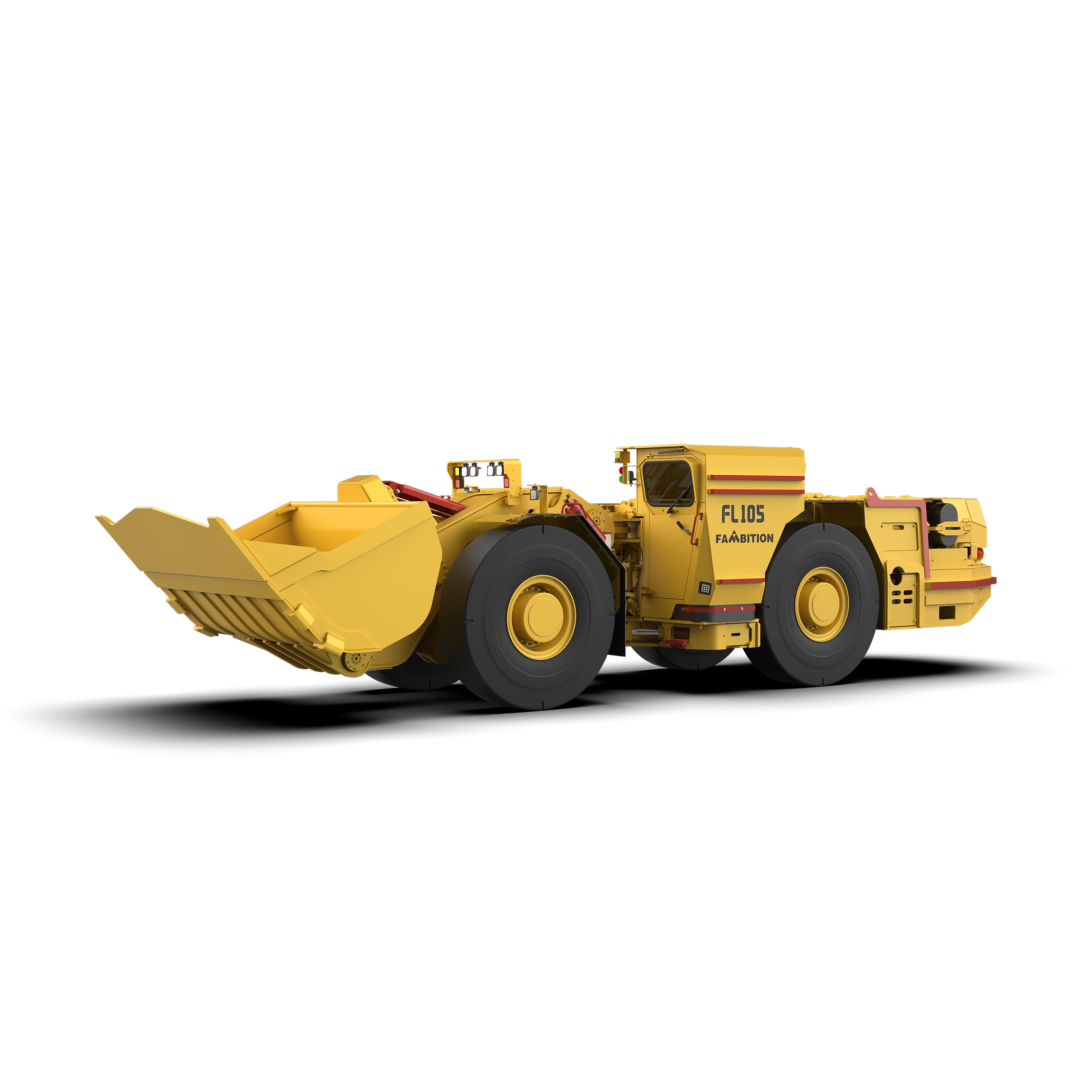
An underground LHD loader absorbs extreme mechanical punishment during the mucking process. Take a standard 10-ton payload LHD like the FL10 as a prime example. Equipped with a high-torque 162 kW engine and heavy-duty drivetrain components, this machine requires precise fluid management and structural checks. Keeping these workhorses operational requires targeted attention.
Bucket and Ground Engaging Tools: Focus intensely on bucket wear. Inspect teeth, lip shrouds, and cutting edges. Operating with blunt tools drastically reduces digging efficiency. It transfers destructive shock loads directly into the boom and chassis.
Articulation Joints: Examine the central articulation joints and steering cylinders. Look for excessive play, structural fatigue, or hydraulic weeping.
Hydraulic Pressure: Hook up diagnostic gauges to the main hydraulic system. Verify optimal lifting and tramming pressures. Unexplained pressure drops often point to internal pump wear or bypassing directional valves.
Tasked with moving massive 20-ton to 30-ton payloads up steep declines, an underground mining truck must prioritize structural integrity. Absolute stopping power is non-negotiable.
Dump Box and Hoist: Thoroughly inspect the dump box for stress fractures caused by loading impact. Check hoist cylinders and hinge pins for adequate lubrication and signs of mechanical binding.
Drivetrain Components: Evaluate the transmission, differentials, axles, and drivelines for stress under heavy load conditions. Keep a close eye on operating temperatures.
Braking Systems: The braking system must be tested extensively. Service brakes, spring-applied parking brakes, and hydraulic retarders prevent runaway scenarios on a decline. They must be maintained to incredibly strict tolerances.
Even the most meticulously designed maintenance program falter if execution on the ground is poor. The unforgiving nature of subterranean operations means minor oversights rapidly escalate into catastrophic mechanical failures. Recognizing and mitigating these prevalent errors is an essential step in protecting your fleet.
Treating Pre-Shift Inspections as a Formality. In high-pressure production environments, operators frequently view the daily walkaround as a bureaucratic hurdle. This results in pencil-whipping, where boxes are checked without genuinely looking at the machine. Consequently, early warning signs are completely ignored until a breakdown occurs mid-shift.
Transition away from paper logs to digital inspection applications. Require operators to upload timestamped photographs of critical components. Cultivate accountability by training operators on the mechanical reasons behind the checklist. When a driver understands exactly how a weeping hydraulic hose leads to a total steering failure, compliance rates soar.
Ignoring Fluid Contamination Control. Mines are inherently contaminated with abrasive silica dust and jagged rock fragments. A frequent and deadly mistake is failing to maintain strict fluid handling protocols. When dirt enters the hydraulic or transmission fluid, it acts as a lapping compound. It prematurely erodes internal pump components and cylinder seals.
Institute a rigorous fluid analysis program. Regular laboratory testing identifies abnormal wear metals and particulate contamination long before a component fails. Maintenance teams must utilize high-efficiency offline filtration systems. Ensure all transfer containers are sealed and dedicated to specific oil types to prevent cross-contamination.
Delaying Scheduled Replacements to Save Money. Attempting to reduce short-term expenditures by intentionally delaying the replacement of wear parts is a false economy. Stretching the lifespan of a cheap bearing might seem clever today. However, when it shatters under load next week, it can destroy an expensive axle assembly and halt production for days.
Strictly adhere to the usage-based intervals established by the manufacturer. Understand that factory guidelines derive from extensive metallurgical testing. Viewing scheduled parts replacement as a vital investment in collateral damage prevention is the only financially sound strategy.
Poor Record Keeping and Data Silos. Relying on fragmented communication creates massive blind spots in a machine maintenance history. Greasy whiteboards, verbal handovers, or decentralized spreadsheets are unacceptable. Without a centralized record, mechanics cannot identify recurring faults or accurately assess lifecycle costs.
Digitize all maintenance logs utilizing a modern Computerized Maintenance Management System. A centralized database empowers reliability engineers to track component lifespans. They can spot failure trends and make data-driven decisions regarding fleet overhauls.
Using Substandard Replacement Parts. Procurement departments sometimes source cheap aftermarket parts to cut acquisition costs. However, standard industrial components are rarely engineered to withstand extreme torsional stress. They cannot handle the thermal loads and impact forces experienced deep underground. These substandard parts fail prematurely, triggering repeated downtime.
Partner exclusively with reputable manufacturers and authorized dealers. Procuring parts specifically engineered and rated for severe underground duty cycles ensures structural integrity and operational reliability.
The evolution of fleet management is characterized by a definitive shift from reactive models to highly advanced predictive strategies. By integrating condition-monitoring technology with specialized software, mine operators fundamentally alter how they manage reliability.
Predictive maintenance relies on the continuous real-time assessment of a machine physical state. Modern fleets are outfitted with sensor arrays that monitor parameters like bearing vibration, brake temperature, and hydraulic pressure. Instead of relying on guesswork, maintenance software aggregates telematics data. It alerts technicians precisely when a component operates outside its optimal baseline. For example, if vibration analysis detects an anomaly in a drivetrain, the software automatically generates a work order. The team schedules a targeted repair during a planned shift change rather than suffering an unexpected breakdown.
A hidden but massive cost of equipment downtime is the agonizing wait for replacement parts to arrive on site. Conversely, overstocking spares ties up vital operational capital in the warehouse. Maintenance software resolves this dilemma by analyzing historical consumption rates and predictive failure data. The system automatically forecasts when specific components will be required. This facilitates just-in-time procurement for specialized filters, high-pressure hoses, and ground engaging tools.
Dedicated software provides reliability engineers with analytical tools to objectively measure fleet performance. Two critical metrics are Mean Time Between Failures and Mean Time to Repair. Analyzing failure intervals helps managers determine the average operational time a machine sustains before requiring intervention. A declining trend indicates systemic issues requiring deeper investigation. Simultaneously, tracking repair times assesses the efficiency of the maintenance team itself. This helps identify workflow bottlenecks and streamline the repair process.
Maintaining a fleet of highly complex subterranean machinery demands immense technical sophistication. The integration of electronically controlled hydraulics, automated safety systems, and low-emission engines necessitates expert backing. Establishing a strategic partnership with original equipment manufacturers is a cornerstone of a successful maintenance program.
In-house mechanics are indispensable for daily servicing and routine repairs. However, diagnosing intricate electronic faults or executing major component rebuilds often requires proprietary software and specialized engineering knowledge. Factory technicians possess deep product-specific expertise that facilitates faster and more accurate troubleshooting. When a critical machine throws an ambiguous fault code, direct access to diagnostic support means the difference between a few hours of targeted repair and days of costly trial-and-error.
Ultimately, effective maintenance begins long before the first wrench is turned. It starts during the procurement phase. Maintaining machinery is inherently more manageable when the fleet comprises robust and purpose-built machines. Investing in durable equipment specifically engineered for spatial constraints, corrosive atmospheres, and heavy payloads establishes a solid foundation. High-quality machinery is designed with serviceability in mind. It features accessible maintenance points and heavy-duty structural frames that resist the punishing daily grind.
An effective underground equipment maintenance program is a careful blend of diligent daily physical checks and advanced predictive software strategies. It requires a conscious effort to avoid common operational mistakes. The harsh realities of the underground environment demand a highly proactive approach to equipment care. Empirical data and strict protocols must replace guesswork and reactive panic-driven repairs.
Every dollar invested in proactive maintenance saves exponentially more in avoided downtime, reduced collateral damage, and extended machinery life. Empower operators to perform thorough pre-shift inspections. Leverage predictive software and utilize expert engineering support. This is how mining operations drastically reduce operating costs and boost overall safety.
Are you ready to optimize your fleet reliability and stop losing money to unplanned downtime? Equip your operation with purpose-built machinery designed for the toughest subterranean environments. Visit Fambition to explore our full range of heavy-duty LHD loaders and high-capacity articulated trucks. Contact our engineering team today to build a resilient, highly profitable mining operation.
The daily pre-shift inspection is undeniably the most critical component of the maintenance lifecycle. It empowers operators to identify and report minor anomalies before they escalate into catastrophic failures during active operation. Finding a weeping hydraulic cylinder or a frayed electrical harness early serves as the first line of defense. This ensures the equipment is mechanically sound and safe to operate.
Daily walkaround checks and fluid level verifications are mandatory. Deeper preventive maintenance must be executed according to specific hour-meter intervals dictated by the manufacturer. Typically, these service intervals occur at 250, 500, and 1,000 hours of operation. A 250-hour service involves basic lubrication and filter changes. The 500-hour and 1,000-hour marks require invasive procedures like comprehensive fluid replacements and structural inspections of articulation joints.
Preventive maintenance is a schedule-based approach. It relies on predetermined timeframes or machine usage metrics, such as replacing a drive belt every 1,000 hours regardless of its current condition. In contrast, predictive maintenance is a condition-based strategy. It utilizes advanced sensors and techniques like vibration analysis to monitor the actual real-time health of the machine. Operators replace components exactly when they exhibit empirical signs of impending failure.
Reducing operating costs requires a multifaceted approach. First, strictly adhere to a comprehensive fluid analysis program to extend the life of major hydraulic and engine components. Second, maintain optimal tire pressure and conduct regular haul road maintenance to prevent premature tire destruction. Third, implement robust operator training programs to eliminate abusive driving practices like harsh braking. Finally, utilize centralized maintenance software to optimize parts inventory.
Daily maintenance revolves around the pre-shift walkaround inspection. Operators must check all vital fluid levels, including engine oil, hydraulic fluid, and coolant. They must inspect tires or tracks for severe damage and verify that all safety systems, such as brakes and fire suppression units, are fully functional. Greasing critical pivot points and visually inspecting the chassis for fresh leaks or structural cracks are also mandatory daily tasks.
Fluid contamination is highly destructive. When abrasive silica dust or rock particles bypass filters and enter hydraulic or transmission fluids, they act like a liquid sandpaper. This lapping effect prematurely erodes internal pump components, scores cylinder walls, and destroys hydraulic seals. Over time, this leads to massive pressure loss, sluggish machine performance, and eventually, catastrophic component failure requiring expensive rebuilds.
 English


