
Views: 155 Author: Site Editor Publish Time: 2025-12-13 Origin: Site
Underground mining is a complex process that requires efficient equipment to optimize productivity. Have you ever wondered how mining operations stay efficient in confined spaces? One key player in this process is the Underground LHD Loader.
In this post, we’ll explore the purpose of Underground LHD Loaders, their essential role in mining, and how they improve operational efficiency.
An Underground LHD Loader is a specialized piece of equipment used in mining operations. LHD stands for Load Haul Dump, referring to its main functions: loading, hauling, and dumping materials like ore and waste. These loaders are designed to operate in tight, underground spaces, often in narrow tunnels or small veins of ore.
LHD loaders are equipped with a bucket to scoop up materials and a hydraulic system to lift, tilt, and dump them. Their articulated frame allows them to navigate confined spaces more easily than traditional loaders, making them essential in underground mining environments.
LHD loaders are a key part of efficient underground mining. Here's why:
Adaptability to Confined Spaces: Unlike large mining trucks, LHD loaders can fit into narrow tunnels, which makes them highly versatile in challenging underground environments.
Versatility in Multiple Tasks: They can perform various functions, including loading, transporting materials, and dumping them at designated sites.
Efficient in Low-Profile Operations: In mines with low ceilings, the compact design of LHD loaders ensures they can still operate effectively without requiring a larger space.
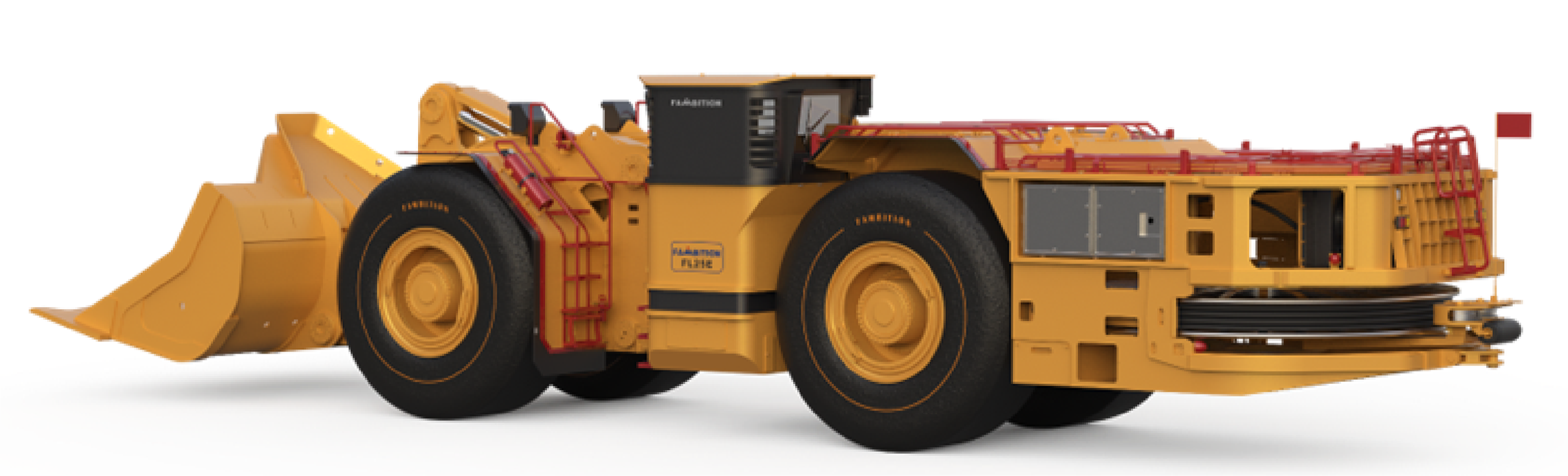
Underground LHD loaders typically feature two types of engines: diesel and electric. Diesel engines are common in traditional models, offering high power for heavy tasks. Electric loaders, however, are gaining popularity due to their environmental benefits and lower operational costs.
Both engine types need to be power-efficient to handle the demanding conditions of underground operations. Efficient engines minimize fuel consumption, reduce emissions, and help keep the loader running longer without needing constant refueling.
The hydraulic system is critical to the operation of an LHD loader. It controls the lifting, tilting, and dumping of materials, powered by hydraulic pumps. These pumps provide the necessary force to operate the loader's bucket, ensuring smooth and precise handling of materials.
Lifting cylinders raise the bucket to scoop materials.
Tilt cylinders control the bucket's angle, making it easier to load and dump.
Dump cylinders unload the material at designated spots.
The articulated frame design of LHD loaders enhances their maneuverability, allowing them to navigate narrow tunnels and confined spaces. This frame consists of two parts connected by a pivot, enabling the loader to turn sharply without losing stability.
This design makes LHD loaders more flexible in tight mining environments, where large, rigid machines would struggle to operate. It allows the loader to access difficult spots and perform tasks more efficiently.
Safety and comfort are critical for the operator working in challenging underground conditions. LHD loaders are equipped with an operator cabin designed for maximum safety and ergonomics.
Safety Features: Most cabins are ROPS (Roll-Over Protective Structure) and FOPS (Falling Object Protective Structure) certified, ensuring that operators are protected in case of accidents.
Comfortable Environment: Modern cabins offer adjustable seats, good visibility, and climate control to reduce operator fatigue during long shifts.
The primary job of an LHD loader is to scoop and load materials, such as fragmented ore or waste, from the mining site. The bucket is a key component in this process, allowing the loader to gather materials quickly and efficiently.
LHD loaders are designed to handle high payloads, making them ideal for transporting large amounts of material in a short amount of time. The bucket’s shape and hydraulic control allow it to carry as much as possible while minimizing spillage.
Once the material is loaded, the next task is hauling it to the designated areas within the mine. LHD loaders typically operate in short-haul distances, moving materials over relatively short paths, like from the mining face to ore passes or crushers.
These loaders are crucial for material handling, transporting the ore or waste between different mining sections. Thanks to their articulated frame, they can navigate through narrow tunnels, making transportation more efficient in confined spaces.
After hauling the material, the LHD loader needs to dump it at specific locations. The hydraulic system allows the bucket to tilt and dump materials efficiently, whether it’s in a stockpile, ore pass, or dumping area.
The dumping process is precise, ensuring that materials are placed in the correct spot without unnecessary spillage or waste. This function plays a key role in maintaining organization and efficiency in underground mining operations.
One of the main jobs of LHD loaders is ore extraction. After blasting, LHD loaders scoop up the fragmented ore from stopes or drifts (tunnels used for mining). The loaders efficiently load the ore into their bucket and transport it for further processing or storage.
LHD loaders are designed to handle these heavy loads, making the extraction process faster and more efficient in challenging underground environments.
LHD loaders also play a crucial role in waste removal. During mining operations, a lot of non-valuable rock and debris must be removed to access valuable ore. LHD loaders transport these materials, clearing the way for more productive mining.
They quickly and efficiently haul waste materials, ensuring that the mine remains clear and accessible for further operations. This task is essential for maintaining a clean and safe work environment.
LHD loaders are also used for backfilling and tunnel development. After a section of the mine has been exhausted, LHD loaders distribute backfill material to fill the mined-out voids, stabilizing the structure and preventing collapse.
In tunnel construction, they clear debris to make way for further excavation. These tasks are critical for maintaining the integrity of the mine and ensuring a safe working environment for miners.
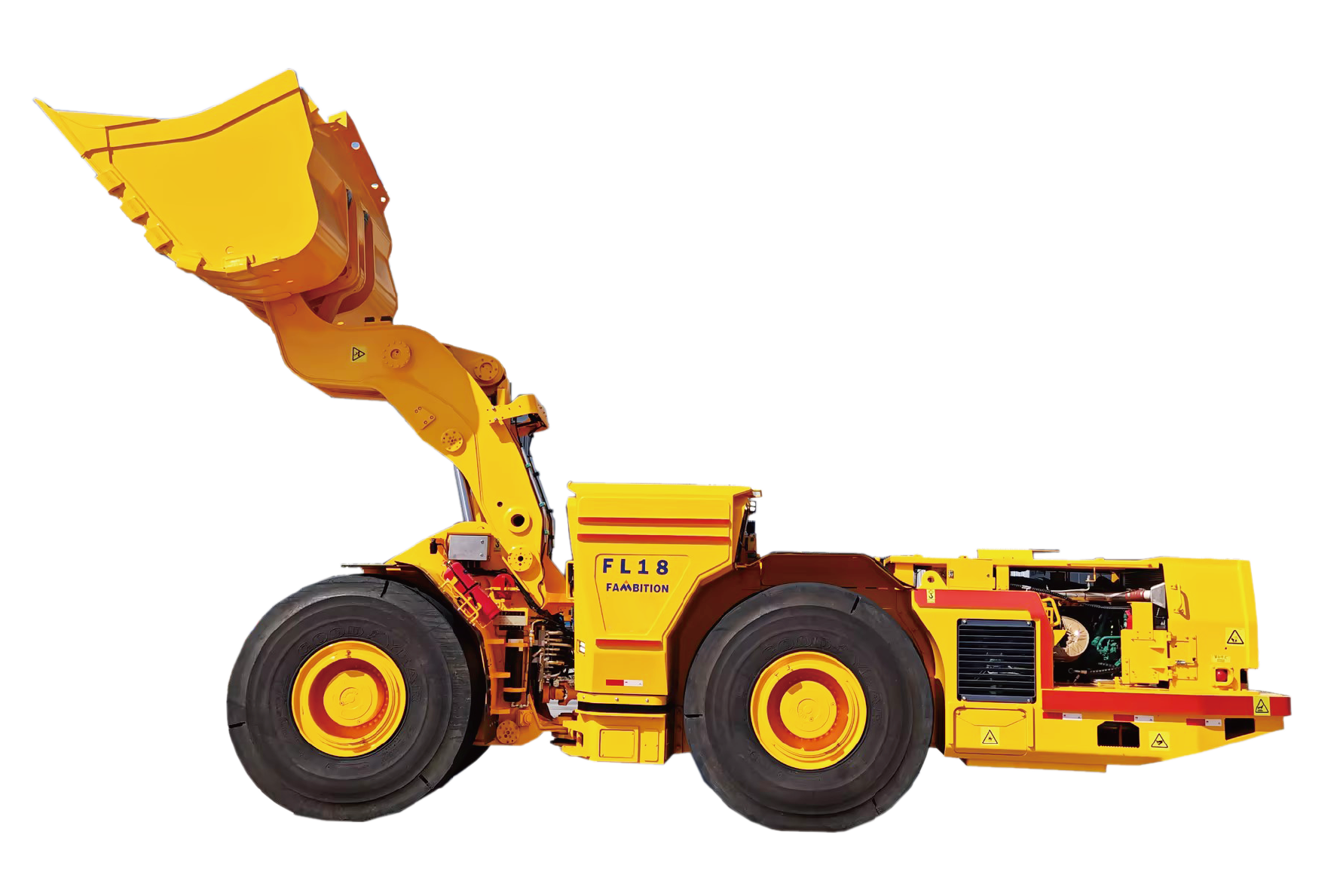
LHD loaders are designed to excel in tight, underground tunnels. Their articulated frames make them highly maneuverable, improving speed and productivity in narrow spaces. This means they can navigate cramped, low-profile areas where larger equipment would struggle.
Their compact design allows LHD loaders to work efficiently, ensuring that material handling is quick, even in challenging environments. The result is faster mining cycles and better use of available space.
Modern LHD loaders come equipped with advanced safety features to protect operators. ROPS (Roll-Over Protective Structures) and FOPS (Falling Object Protective Structures) ensure the cabin remains safe, even in case of accidents.
Additionally, the cabins are designed for ergonomics, offering a comfortable environment to reduce operator fatigue. Advanced monitoring systems help track the loader's condition in real time, alerting operators to potential issues before they become serious.
LHD loaders are incredibly versatile. Beyond hauling materials, they can handle tasks like excavation and scaling. In excavation, they remove overburden and prepare mining sites for further work. For scaling, LHD loaders help in clearing loose rock from tunnel walls to ensure stability.
Their adaptability makes them valuable across various stages of mining, from initial excavation to material handling and final cleanup.
Mini LHD loaders are designed for small-scale operations where space is tight and maneuverability is essential. These loaders are compact, lightweight, and perfect for navigating narrow tunnels.
Features: Small engine power, shorter wheelbase, easy to handle.
Benefits: Ideal for small mines or maintenance work where larger machines can't fit.
Use Cases: Typically used in narrow veins or low-profile operations where larger loaders would be inefficient.
Medium LHD loaders offer a balance between size and performance, making them suitable for a wider range of mining operations. These loaders can handle heavier payloads than mini loaders but still maintain maneuverability in tight spaces.
Features: Moderate engine power, extended reach, and higher payload capacity.
Benefits: Perfect for medium-scale mines where flexibility and power are both required.
Use Cases: Often used in intermediate-sized tunnels and for general hauling tasks in various underground mining settings.
Large and extra-large LHD loaders are built for heavy-duty tasks in large mines. These machines can handle significant payloads, making them essential for high-volume mining operations.
Features: High engine power, massive payload capacity, robust construction.
Benefits: Can carry and transport large quantities of materials quickly.
Use Cases: Used in large-scale mining operations, such as open-pit mines or deep mines where high efficiency is required.
The first LHD loaders were basic machines designed to load, haul, and dump materials in underground mines. These early models were often simple, mechanical machines with limited features. They were generally powered by diesel engines and lacked advanced control systems.
Limitations: Early LHD loaders had poor fuel efficiency, limited payload capacity, and were difficult to maneuver in confined spaces.
Design: They had a basic hydraulic system and were mostly used for basic tasks in open tunnels.
Over time, LHD loaders evolved to meet the increasing demands of underground mining. Modern loaders now feature advanced technology, including:
Automation: Many newer LHD loaders can operate autonomously, reducing the need for manual labor and enhancing efficiency.
Electric Options: With a shift toward sustainability, electric LHD loaders are becoming more common. They offer lower emissions and reduced operating costs compared to diesel-powered models.
In addition, AI-driven features like predictive maintenance have transformed the way these machines operate. These features monitor the loader's condition in real-time, predicting potential issues before they cause breakdowns, helping avoid costly downtime.
In response to growing environmental concerns, the mining industry is shifting towards zero-emission electric LHD loaders. These loaders replace traditional diesel engines with electric motors, reducing carbon emissions and minimizing environmental pollution.
Benefits: Electric LHD loaders offer quieter operations, reducing noise pollution in underground mines, where high noise levels can be harmful to workers.
Less Pollution: They also contribute to cleaner air by eliminating exhaust emissions, which is crucial for underground environments where ventilation is limited.
Modern LHD loaders come equipped with several eco-friendly features designed to minimize their environmental impact. These machines are now built to be energy-efficient, using systems that reduce power consumption during operation.
Energy-Efficient Systems: Many LHD loaders use regenerative braking systems, which recover energy during braking and feed it back into the system.
Sustainable Materials: The use of lightweight, durable, and recyclable materials in construction helps reduce the environmental footprint of these loaders over their lifespan.
To ensure the longevity of an LHD loader, regular maintenance is essential. Here are key practices to keep the machine running smoothly:
Timely Inspections: Regularly check for wear and tear on critical parts like the bucket, hydraulic system, and tires.
Lubrication: Keep the hydraulic system well-lubricated to avoid friction and overheating. Proper lubrication reduces the risk of mechanical failure.
Cleaning: After each shift, clean the machine to prevent dirt and debris from causing damage. This is especially important for the cooling system and engine.
When a new LHD loader is introduced, it undergoes a 60-hour break-in period. This phase is critical for ensuring the machine performs at its best over time. During the break-in period:
Reduced Load: Operate the loader at a lower capacity to allow components to settle and adjust.
Monitor Performance: Pay attention to any unusual sounds, vibrations, or temperatures. Addressing minor issues early can prevent long-term damage.
Gradual Use: Avoid pushing the loader to its limits too soon, as this can lead to premature wear.
Selecting the right LHD loader depends on several key factors, tailored to the specific needs of your mining operation:
Engine Power: Choose an engine size that matches your workload. Larger operations often require more powerful engines.
Load Capacity: Make sure the loader can handle the volume of material you need to move. Consider both payload and bucket capacity.
Maneuverability: If you're working in narrow tunnels, a compact, highly maneuverable loader is essential. The ability to navigate tight spaces improves efficiency.
Safety Features: Ensure the loader includes ROPS (Roll-Over Protection) and FOPS (Falling Object Protection) systems, along with ergonomic cabins for operator safety.
Every mining operation has its own unique challenges, and sometimes a custom solution is the best way to meet those needs.
Narrow Veins: For mines with tight spaces, mini or compact LHD loaders provide better maneuverability.
High-Altitude Mines: If your operation is located in high-altitude areas, consider LHD loaders with turbocharged engines for improved performance in oxygen-deficient environments.
The mining industry is increasingly adopting automation, and autonomous LHD loaders are leading the way. These loaders are designed to perform tasks without human intervention, reducing labor costs and improving efficiency.
Autonomous features: LHD loaders can operate in hazardous areas, improving safety for workers.
Potential: Autonomous loaders can work around the clock, increasing productivity and reducing downtime.
LHD loaders are becoming more data-driven, thanks to the integration of smart technologies. Real-time monitoring systems allow operators to track performance metrics and machine health instantly.
Predictive analytics: These systems can predict when a loader will need maintenance, helping to avoid unexpected downtime and costly repairs.
Real-time data: It helps improve decision-making, ensuring that operations run smoothly and equipment is used to its full potential.
As electric LHD loaders become more common, battery swap technology is emerging as a key innovation. Instead of waiting for batteries to recharge, miners can quickly swap out depleted batteries for fully charged ones, reducing downtime.
Minimized downtime: Swapping batteries is faster than traditional charging, allowing loaders to stay in operation longer.
Increased productivity: Faster battery changes mean more time spent on the job, increasing the overall output of mining operations.
Underground LHD loaders play a vital role in modern mining, enhancing efficiency and safety. As technology advances, automation, smart features, and electric models will continue to evolve.
Investing in high-quality LHD loaders is crucial for mining companies looking to improve productivity and ensure safety in challenging environments.
A: LHD loaders are designed for loading, hauling, and dumping in confined spaces, whereas mining trucks are used for longer-haul transport with higher payload capacities.
A: LHD loaders are highly flexible and can work in various underground mines, but their performance depends on factors like tunnel size and payload requirements.
A: With proper maintenance, an LHD loader can last between 10-15 years, depending on usage, environment, and routine upkeep.
A: Look for ROPS and FOPS certifications, ergonomic cabins, advanced monitoring systems, and collision avoidance technologies.
A: Automation improves efficiency, reduces human error, enhances safety by operating in hazardous zones, and allows for 24/7 operation.
 English


