Views: 67 Author: Site Editor Publish Time: 2025-12-13 Origin: Site
Have you ever wondered how mining companies transport massive loads deep underground? Underground mining trucks make this possible. These powerful machines move ore and waste materials through narrow tunnels, keeping mining operations running smoothly.
In this post, we’ll explore the essential role of underground mining trucks, their functions, and why they’re vital in today’s mining industry. You'll also learn about their unique design features and key components.
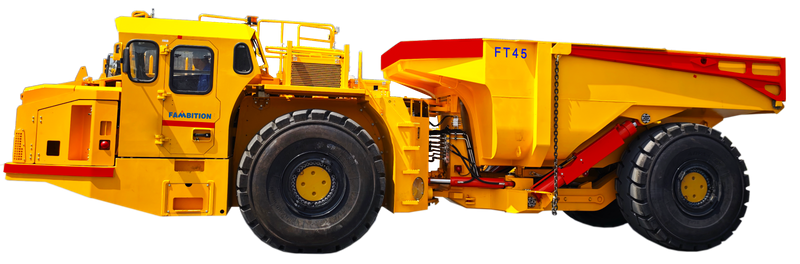
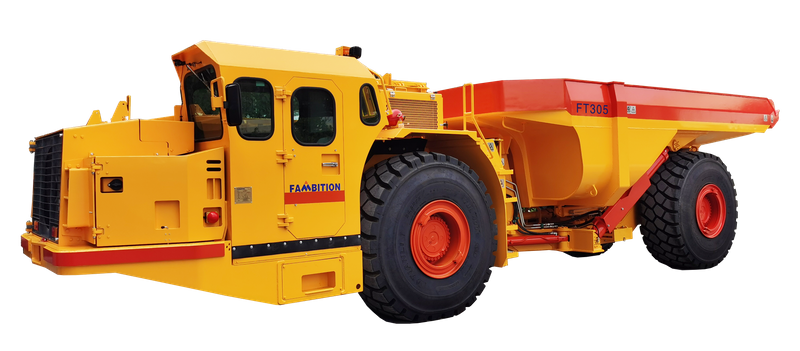
An underground mining truck is a heavy-duty vehicle used to transport materials like ore, waste, and other mined goods deep underground. These trucks are essential for moving large quantities of material within the mine to surface areas for further processing.
The trucks are designed to navigate tight, confined spaces, which are common in underground mines. Their low-profile design allows them to fit into narrow tunnels, and the strong chassis and durable tires help them operate smoothly on rough terrain.
They play a key role in the mining process by improving efficiency and reducing manual labor. These trucks ensure that materials are moved safely and quickly, making them indispensable in mining operations.
Underground mining trucks are crucial for transporting materials from deep within the mine to the surface. Without these trucks, transporting large amounts of material would take much longer and require more manual labor.
These trucks help reduce the need for human workers in dangerous environments, increasing efficiency and safety. They are essential for moving ore during mineral extraction, transporting waste material, and handling emergency operations such as clearing blockages or debris.
Underground mining trucks are equipped with unique features that make them suitable for their tough working conditions:
Bed/Truck Body: Unlike regular trucks, mining trucks have a larger, more robust bed designed to carry heavy loads of ore, waste, and other materials without tipping over.
Frame and Chassis: The frame and chassis are built for durability. They allow the truck to handle rough underground terrain while maintaining stability.
Suspension and Steering Systems: The suspension system is designed to absorb shocks, ensuring smooth operation in uneven and bumpy underground paths. The steering system allows for precise maneuvering in narrow tunnels.
Automation and Safety Features: Many modern mining trucks come with advanced automation features, like GPS tracking and collision sensors, which improve efficiency and safety by preventing accidents.
Mining trucks are typically loaded with materials using a few key types of equipment. While some mines still rely on manual loading, the majority use LHD (Load-Haul-Dump) loaders and scoop trams to fill the truck beds quickly and efficiently.
LHD loaders are popular because of their ability to scoop up materials from narrow mine faces and load them into trucks. The use of these machines allows for faster loading times, making the overall mining process more efficient. Efficient loading reduces downtime, ensuring that the mining operation continues at an optimal pace.
Once the trucks are loaded, they navigate through underground tunnels. These trucks are designed to handle narrow paths and uneven surfaces. Thanks to their specialized steering and suspension systems, they can smoothly maneuver through tight spaces and over rough ground.
The trucks typically carry materials from the loading point to the processing or dumping area. Advanced suspension systems absorb shocks from rough terrain, ensuring the truck maintains stability and avoids damaging the load.
When they reach the designated unloading point, underground mining trucks unload the material using a tilting bed or automatic dump system. The tilting bed raises the truck bed, allowing the material to slide out quickly. Automatic dump systems are often used for larger operations, reducing manual labor and speeding up the unloading process.
Quick unloading helps keep operations running smoothly. The faster the material is unloaded, the less time the truck spends at the dumping point, which increases overall productivity.
Automation has become an important feature in modern underground mining trucks. Many trucks are now equipped with GPS tracking, collision avoidance systems, and autonomous navigation. These features help improve safety by preventing accidents and ensuring the truck follows a precise path through the mine.
Automation also boosts operational efficiency by reducing the need for human drivers in dangerous areas. With these advancements, underground mining trucks can operate more safely and efficiently, contributing to the overall success of mining operations.
Standard mining trucks are the backbone of many underground mining operations. These trucks are designed to handle a variety of tasks, including transporting materials like ore, waste, and other mined goods over medium to long distances.
These trucks are typically larger than standard vehicles, with robust frames and strong suspension systems. They are built to carry heavy loads while navigating through tunnels.
Specialized mining trucks are tailored to meet the needs of specific mine environments. Some are built for very narrow tunnels, while others are designed to carry exceptionally heavy payloads.
For mines with tight spaces, smaller, more maneuverable trucks are used. These vehicles are easier to maneuver, but they often have a smaller load capacity. In contrast, high-capacity trucks are ideal for large-scale operations that need to move large volumes of materials efficiently.
The trade-off between size and maneuverability often comes down to the specific requirements of the mine, such as tunnel width and material load.
Underground mining trucks dramatically reduce the time and labor needed to transport materials. Instead of using manual labor or slow methods, these trucks quickly carry large quantities of ore and waste, ensuring a faster operation.
For example, using an underground truck to transport materials can save hours compared to manual hauling. This efficiency allows mining operations to process more materials daily, increasing overall productivity.
Safety is a top priority in mining operations, and underground mining trucks are designed with advanced features to reduce risks. Modern trucks come equipped with safety sensors and automation systems that help prevent accidents by detecting obstacles or abnormal conditions.
For instance, collision avoidance systems and GPS tracking help ensure trucks navigate safely in confined spaces. These features contribute to a safer environment for workers, reducing the chances of accidents and injuries.
Using underground mining trucks offers long-term savings. While the initial investment may be high, these trucks reduce operational costs in the long run. They lower labor costs by replacing manual labor and help avoid costly delays caused by inefficient transportation.
Automated systems in modern trucks also reduce maintenance costs by monitoring the health of the vehicle and alerting operators to potential issues. This decreases downtime, allowing trucks to stay operational for longer periods, which translates to lower maintenance expenses and higher overall profitability.
Underground mining trucks come with a significant initial investment. These trucks are expensive due to their specialized design and high-performance capabilities. Purchasing a new truck, especially one equipped with advanced features, can be a major financial burden for mining companies.
Adopting new technologies, such as automation or electrification, also adds to the cost. While these technologies improve efficiency in the long run, the upfront expense can be overwhelming for some operators.
While underground mining trucks are essential, they have limitations when operating in extremely narrow tunnels or challenging environments. The size and design of the truck may restrict its ability to fit into very tight spaces, limiting its use in certain areas of the mine.
There’s also a trade-off between capacity and maneuverability. High-capacity trucks are great for transporting large volumes of material, but they may struggle with navigating narrow or winding tunnels. Smaller, more maneuverable trucks can access tighter spaces but carry less material, which impacts the overall efficiency.
Maintaining underground mining trucks is complex and requires specialized knowledge. The harsh underground environment puts these vehicles through heavy wear and tear, leading to frequent maintenance needs.
Common issues include wear on the tires, suspension systems, and engines, as well as problems with hydraulic systems. Addressing these issues promptly is essential to avoid costly downtime. Regular maintenance checks, using high-quality replacement parts, and keeping spare parts on hand can help keep trucks operational and reduce repair costs.
The future of underground mining trucks is shaped by new and emerging technologies. Electrification, automation, and AI integration are leading the way. Electric mining trucks are becoming more common, offering a cleaner alternative to diesel-powered trucks. These trucks are not only more eco-friendly but also reduce operational costs in the long term by cutting down on fuel consumption.
Automation is another key trend, making mining trucks smarter and more efficient. Autonomous trucks can navigate tunnels without human intervention, improving safety and reducing the risk of accidents. AI-driven systems can also optimize routes, monitor vehicle health, and improve decision-making in real time.
As the industry grows, mining companies are increasingly focused on meeting environmental and safety standards. Regulations around emissions and worker safety are pushing manufacturers to innovate and design trucks that are both efficient and environmentally friendly.
Sustainability is a driving force in the development of underground mining trucks. There is a growing push for eco-friendly and energy-efficient mining trucks that help reduce the environmental impact of mining operations.
Electrification trends are at the forefront of this shift. Electric trucks not only reduce greenhouse gas emissions but also decrease the reliance on fossil fuels, which aligns with global sustainability goals. Additionally, these trucks can lower overall operational costs by reducing fuel expenses and maintenance associated with traditional diesel-powered models.
The mining industry is also looking at ways to reduce its carbon footprint by adopting cleaner technologies. As companies strive to meet stricter environmental regulations, sustainable practices and energy-efficient equipment will continue to play a critical role in shaping the future of underground mining trucks.
Underground mining trucks are vital for transporting materials in confined mine spaces. Their design allows them to move large quantities of ore, waste, and other materials efficiently. These trucks significantly improve mining operations by increasing productivity and reducing labor.
As demand for minerals grows, underground mining trucks will continue to play a crucial role. Their ability to improve efficiency and safety makes them indispensable for future mining operations.
A: Mining trucks are designed for long-distance material transport, while LHD loaders are used for loading and hauling materials within the mine. Mining trucks have a rigid frame and large truck beds, while LHD loaders have an articulated chassis and front-mounted buckets for maneuvering in tight spaces.
A: Underground mining trucks typically last 10 to 15 years, depending on usage, maintenance, and the harshness of the underground environment.
A: No, underground mining trucks are best suited for mines with wide enough tunnels and suitable surfaces. In narrow tunnels, smaller, more maneuverable trucks are required.
A: Safety risks include collisions due to poor visibility, tunnel congestion, and mechanical failures. However, advanced safety features like sensors and GPS help mitigate these risks.
A: Automation allows mining trucks to operate autonomously, improving route planning, reducing human error, and enhancing safety. It leads to more consistent and efficient performance, reducing downtime.

 English