Views: 29 Author: Site Editor Publish Time: 2025-12-12 Origin: Site
Underground mining trucks are the backbone of modern mining, handling massive loads in tough conditions. But why are they so big? The size of these trucks isn't just for show—it's key to their efficiency and effectiveness.
In this article, we'll explore the reasons behind their impressive size and how it helps improve mining operations. From hauling heavy materials to navigating tight tunnels, you'll learn what makes these trucks essential for mining success.
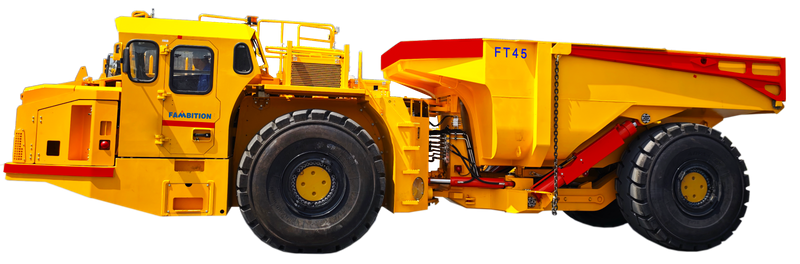
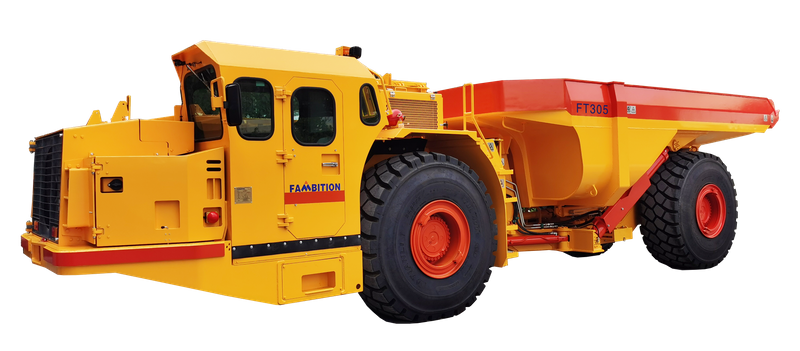
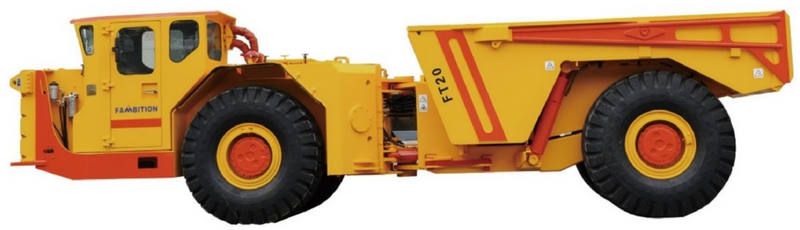
An underground mining truck is a specially designed vehicle built to carry heavy loads of ore, rubble, and other materials deep inside a mine. These trucks are significantly smaller than their surface counterparts due to the confined spaces they navigate. Unlike surface mining trucks, underground trucks are engineered for narrow tunnels, steep gradients, and rough terrains. Their design prioritizes mobility in tight spaces while maintaining the strength to carry heavy payloads.
Mining trucks are essential for transporting materials from deep within mines to the processing or storage areas. They reduce the number of trips needed to haul materials, saving both time and resources. Without these trucks, it would be impossible to move massive amounts of ore and rubble quickly and efficiently, making mining operations less productive.
Underground mines are full of narrow, winding tunnels that present a challenge for even the most robust trucks. These spaces often leave little room for error, and large trucks need to maneuver carefully to avoid obstacles. That’s why trucks are designed with low profiles and narrow widths. Specialized steering and advanced suspension systems help them navigate these tight spaces, ensuring that operations keep moving without interruption.
Mines often feature steep ramps and uneven ground, requiring mining trucks to have powerful engines and reinforced frames. The ability to climb slopes and handle bumpy surfaces is a must. Without these features, trucks would struggle to transport heavy loads, or even fail to make it up the incline. The tough design helps them maintain stability on rough terrain, ensuring they can carry out tasks safely.
In underground mines, the lack of natural light and proper airflow adds another layer of difficulty. Mining trucks must be designed to provide visibility in low-light conditions, using bright lights and sophisticated tracking systems. In addition, trucks need to be built to handle poor ventilation, which could otherwise impact engine performance or the driver’s safety. The vehicles are equipped with systems to optimize airflow, keeping the engine cool and the crew safe.
Payload capacity refers to the maximum weight a truck can carry. It’s crucial because the higher the payload, the fewer trips are needed to transport materials. For underground mining, this is a huge advantage. Larger trucks can haul more, meaning they spend less time going back and forth.
Bigger trucks mean fewer trips, which leads to greater productivity. When a truck carries more material, the time spent loading and unloading decreases. This efficiency is especially important in large-scale mining operations, where getting materials out of the mine quickly is key to maintaining a steady workflow.
Mining trucks are equipped with massive engines because they need to handle the weight of the materials they carry. These engines are designed to work in tough, underground conditions where high power and torque are needed. The ability to push through rough, uneven terrain and steep inclines demands engines that are both powerful and reliable.
The truck’s frame is built to withstand harsh environments. It features heavy-duty materials, reinforced tires, and specialized shock absorbers. These elements help protect the truck and ensure that it stays functional, even in the challenging conditions of an underground mine. The design prioritizes strength to handle the weight of both the truck and its heavy cargo.
Despite their large size, underground mining trucks are designed to be as nimble as possible. They feature low-slung designs that help them fit through narrow tunnels. The lower profile, combined with advanced suspension systems, ensures they can move quickly and safely through tight spots without getting stuck.
Large trucks may seem cumbersome, but their design allows for a surprising amount of flexibility. With specialized steering systems and enhanced maneuverability, these trucks can adapt to the challenging underground terrain. This balance of size and flexibility is what makes them so effective in underground mining operations.
Larger trucks are built to carry more material per trip, which means fewer trips are needed. This directly reduces fuel costs and wear on the truck. Fewer trips also lower the labor costs since drivers and operators spend less time on the road. The result is a significant cost-saving in both time and resources for mining companies.
Larger trucks require special infrastructure, including wider roads and larger maintenance shops. The upfront cost of building and maintaining these facilities can be high. However, these trucks are also built to last longer and handle larger loads, which reduces the frequency of replacements or repairs. The investment in infrastructure pays off over time with more reliable, longer-lasting equipment.
New technology is making large mining trucks smarter and more efficient. Features like telematics allow operators to monitor fuel efficiency, engine health, and load balance in real time. Automation and AI are improving navigation, making it easier for trucks to handle complex, difficult terrain. These advancements reduce human error, improve safety, and enhance overall productivity.
Larger trucks are getting greener. Electric and hybrid models are becoming more common in underground mining, reducing emissions and fuel consumption. These trucks not only lower environmental impact but also cut operational costs. As mining companies prioritize sustainability, these eco-friendly trucks offer a promising solution for the future.
Larger trucks may seem like a good deal for boosting efficiency, but they come with higher upfront costs. The capital investment in these massive trucks can be significant, and balancing this with the operational savings is tricky. Though they carry more per trip, their overall cost-effectiveness depends on how well a mine can optimize their use.
Larger trucks require significant changes to the mine's infrastructure. Roads must be wider, maintenance facilities need to be bigger, and more skilled workers are required to handle these machines. These added costs can sometimes outweigh the benefits, especially if the mine's operations don't justify the investment in larger trucks.
Smaller trucks are ideal for mines in tight spaces or areas with low-grade ore. They’re more maneuverable, allowing them to navigate through cramped tunnels or unstable ground. For shorter haul distances, small trucks can be more cost-effective because they require less fuel and maintenance.
The size of the truck needed depends on the conditions of the mine. For example, large-scale operations in deep pits may benefit from big trucks , which can haul large quantities of ore at once. On the other hand, mines with tight tunnels or shallow pits might find that smaller trucks are better suited to their needs.
The future of underground mining trucks looks promising, thanks to emerging technologies. We’re seeing a rise in autonomous trucks that can navigate tunnels without a driver. Electric and hybrid models are gaining traction, promising to reduce emissions and fuel costs. AI-integrated trucks are also making their way into mines, improving efficiency and safety by adapting to conditions in real-time.
Mining trucks are becoming more eco-friendly. Many companies are adopting recycling programs, reusing parts, and making their trucks more energy-efficient. Electric trucks are leading the charge, offering zero emissions and reducing the environmental footprint of mining operations. These advancements contribute to more sustainable practices, helping the industry meet modern environmental standards.
A: Mining trucks are heavy due to their large payload capacities, powerful engines, and reinforced frames. They need to carry massive loads of ore, rubble, and minerals through harsh underground conditions, which requires durable, weighty construction.
A: These trucks require wider, reinforced haul roads to navigate safely. The roads must be designed to handle the weight and size of the trucks while providing stability in uneven or steep terrain.
A: Yes, electric and hybrid underground mining trucks are becoming more common. These models reduce emissions, improve fuel efficiency, and offer a more sustainable alternative to traditional diesel-powered trucks.
 English