
Views: 8 Author: Site Editor Publish Time: 2026-08-04 Origin: Site
Subterranean mining presents extreme operational realities you simply cannot ignore. Haul trucks constantly navigate steep gradients and transport massive payloads. They operate in highly abrasive environments where a single mechanical failure easily causes catastrophic consequences. Relying on standard friction stoppers puts your crew and operations at severe risk. SAHR (Spring-Applied, Hydraulic-Released) wet brakes serve as a critical risk-management investment. They physically prevent runaway equipment during emergencies and guarantee operational continuity.
Evaluating these specialized components requires looking far beyond initial procurement expenses. Fleet managers must deeply understand thermal stability, fail-safe mechanics, and strict regulatory compliance. Upgrading your systems ensures heavy equipment stops reliably every single time. We will explore how SAHR technology neutralizes contamination, eliminates brake fade, and keeps your mine running safely.
Fail-Safe Architecture: SAHR systems default to a locked (braked) position upon engine or hydraulic power loss, physically preventing runaway equipment.
Environmental Isolation: Wet disc configurations seal braking components from abrasive mine dust, mud, and water, drastically reducing premature wear.
Thermal Management: Oil-immersed designs dissipate heat efficiently, virtually eliminating brake fade during prolonged, heavy-load descents.
Regulatory Alignment: Adopting SAHR wet brakes helps fleets comply with stringent global underground mining safety regulations (e.g., Ontario, NSW standards).
The physics of underground hauling create an unforgiving environment for mechanical components. Operators frequently move loads weighing between 30 and 60 tons. They navigate tight declines ranging from 15% to 20%. Gravity constantly pulls this massive kinetic energy downward. Standard dry braking systems quickly face insurmountable thermal limits under these conditions. Friction surfaces heat up exponentially during prolonged descents. This extreme heat causes conventional brake pads to glaze over. Glazing permanently destroys friction capacity and causes severe brake fade. Operators suddenly lose stopping power when they need it most.
Beyond thermal stress, subterranean environments pose severe contamination risks. Exposed dry systems allow easy ingress of silica dust, abrasive mud, and acidic mine water. Silica dust acts like sandpaper against exposed brake rotors. Acidic water accelerates corrosion across caliper pistons and mechanical linkages. This relentless exposure leads to rapid friction material degradation. You inevitably experience unpredictable stopping distances and frequent component failures. Dry brakes require constant physical inspections to catch this rapid wear before disaster strikes.
Fleet managers must establish strict success criteria for new equipment purchases. Buyers should demand zero brake fade during continuous downhill hauling. You must prioritize absolute immunity to environmental contamination. Most importantly, systems must guarantee stopping capability during total machine power failure. Meeting these criteria requires abandoning exposed friction designs. You need closed, thermally stable solutions to protect your operators and your production targets.
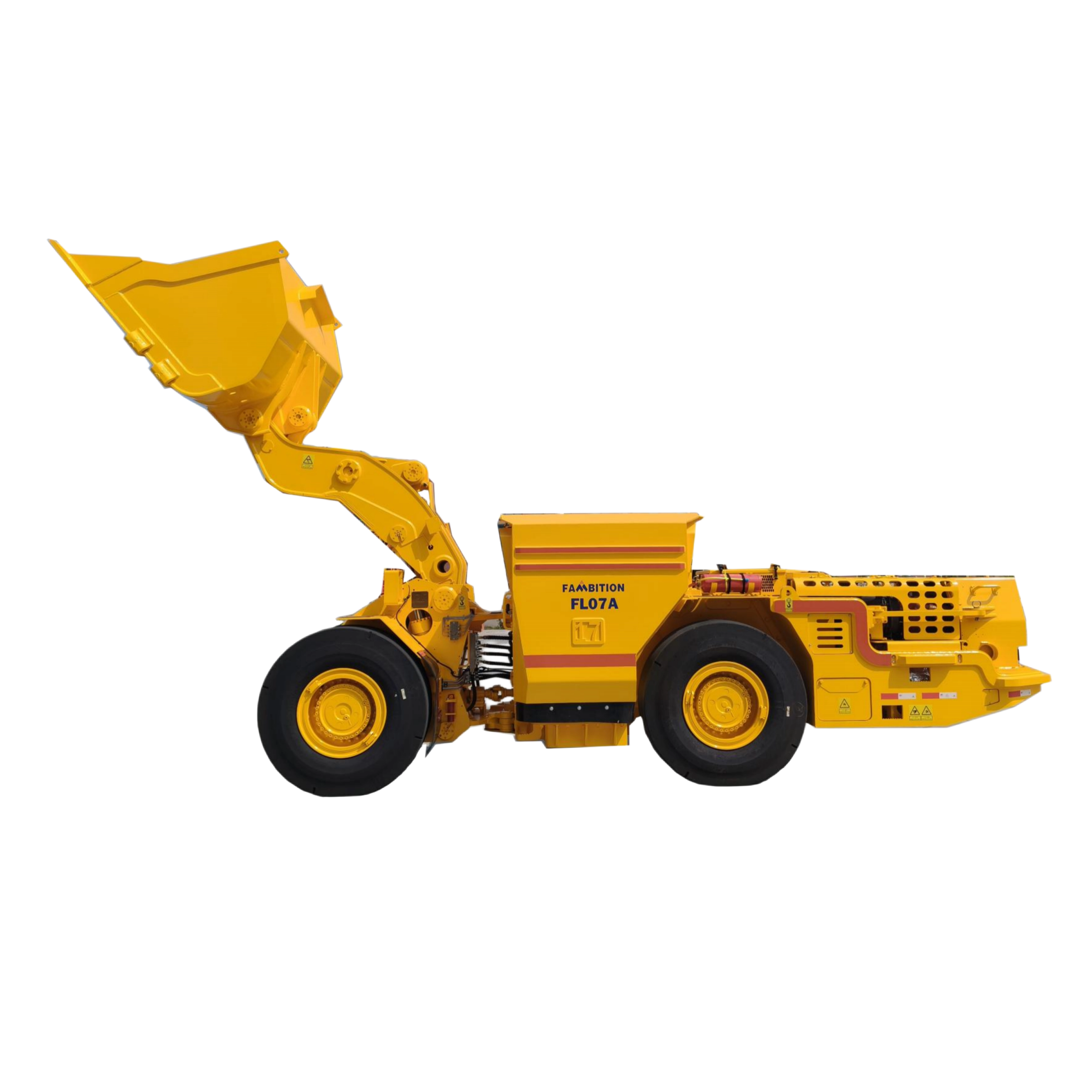
Understanding SAHR technology requires looking at the core actuation mechanism. We can explain this principle without any marketing fluff. Heavy-duty mechanical springs constantly force the brake pads against the internal discs. The system defaults to a fully locked state. The machine requires active hydraulic pressure to release the brakes. Only when the engine runs and the hydraulic pump operates can the vehicle move forward. This inverse operational logic provides the ultimate safety net.
Consider a total power loss scenario deep underground. A haul truck might stall, blow a primary hydraulic line, or suffer a catastrophic engine failure. You need to know exactly how the machine will respond.
The engine or hydraulic pump suddenly stops operating.
System hydraulic pressure drops instantly across the brake lines.
The heavy-duty springs overcome the fading hydraulic resistance.
The springs mechanically force the friction discs together.
The vehicle comes to a controlled, immediate halt entirely on its own.
This automatic response profoundly impacts operator confidence. Sudden mechanical failures often trigger panic. Operators might suffer from fatigue or experience delayed reaction times in dark, confined tunnels. SAHR mechanics completely mitigate this human error vulnerability. The driver does not need to stomp on a pedal or pull an emergency lever. The machine secures itself automatically. This physical guarantee removes a major safety variable from your daily operations.
Thermal stability stands as the primary advantage of wet disc technology. Oil continuously circulates through the sealed wet disc housing. This specially formulated fluid absorbs massive amounts of heat generated during braking. It carries this heat away from the friction surfaces and dissipates it through the housing or external coolers. The internal temperature remains highly stable. We can contrast this directly with traditional dry brakes. Dry rotors rely solely on surrounding air for cooling. Confined mine shafts offer minimal airflow, causing dry brakes to rapidly overheat, glaze, and lose all friction capacity.
Wear and tear metrics look vastly different between the two technologies. You must use realistic evaluation criteria when comparing them. Dry brakes demand frequent pad replacements because dust and mud destroy them quickly. Maintenance crews spend countless hours swapping worn pads underground. Conversely, wet discs operate in a fully protected, sealed oil bath. The oil prevents direct metal-to-metal abrasion and blocks all outside contaminants. These internal discs often last the entire lifecycle of the vehicle's drivetrain. You rarely need to replace the friction material itself.
We must acknowledge the transparent trade-offs of this technology. Wet brakes represent a heavy, highly engineered solution. They add significant weight to the axle assemblies. When they do require an overhaul, the service process is technically complex. Technicians must drain fluids, open sealed housings, and maintain absolute cleanliness. Furthermore, they demand higher upfront procurement costs. However, these systems yield significantly higher lifetime reliability. They maximize machine uptime by virtually eliminating weekly brake maintenance. The resulting operational stability far outweighs the initial hardware investment.
Braking System Performance Comparison
| System Attribute | Traditional Dry Brakes | SAHR Wet Disc Brakes |
|---|---|---|
| Cooling Mechanism | Ambient airflow (poor in tunnels) | Continuous oil circulation |
| Fade Resistance | Low (high risk on long declines) | Excellent (thermally stable) |
| Environmental Protection | Exposed to dust, mud, and acid | Fully sealed housing |
| Maintenance Frequency | High (frequent pad changes) | Low (scheduled fluid changes) |
| Fail-Safe Default | Relies on secondary accumulators | Mechanically locked by springs |
Tier-one mining jurisdictions apply intense scrutiny to underground transport equipment. Regulators deeply understand the risks of moving heavy machinery through confined spaces. Agencies in regions like Ontario and New South Wales (NSW) set the global benchmark for operational safety. They continuously update directives to prevent runaway vehicle fatalities. Fleet managers cannot afford to ignore these shifting legal landscapes.
Safety directives increasingly mandate independent, multi-circuit braking architectures. Single-point failures can no longer disable a truck's ability to stop. Regulators specifically demand that the emergency or parking brake must activate automatically upon primary system failure. Standard air-over-hydraulic systems often struggle to meet these strict requirements without complex, failure-prone add-ons. SAHR designs inherently meet these global standards. The default-to-lock mechanical spring design perfectly satisfies the demand for an automatic emergency response.
You should frame regulatory compliance as a distinct commercial advantage. Meeting these standards serves as much more than a legal checklist. Advanced braking systems act as a powerful shield against corporate liability. They prevent catastrophic accidents that trigger immediate site shutdowns and regulatory investigations. Furthermore, insurers heavily favor fleets equipped with modern fail-safe technologies. You can often leverage these safety upgrades to prevent insurance premium hikes and protect your operational reputation.
Upgrading your fleet requires careful strategic planning. You must evaluate the viability of retrofitting older equipment versus specifying SAHR wet brakes on new acquisitions. Retrofitting older axles presents significant engineering challenges. Enclosed wet disc housings demand more physical space than slim dry calipers. You will often encounter severe spatial constraints around existing wheel hubs and suspension linkages. In most cases, specifying SAHR systems directly from the Original Equipment Manufacturer (OEM) on new vehicle purchases proves much more efficient.
Transitioning to this technology shifts your entire maintenance protocol. Your mechanics must change their daily habits.
Eliminate visual checks: Crews no longer spend hours measuring exposed pad thickness.
Implement fluid sampling: Maintenance shifts to disciplined, scheduled oil sampling.
Monitor contamination: Technicians use spectrometric analysis to check internal fluid for wear metals.
Enforce strict intervals: Oil change intervals must align perfectly with OEM guidelines to prevent internal degradation.
Procurement teams need solid shortlisting logic when evaluating vendors. You must rigorously assess OEM vendor support capabilities. Consider the availability of replacement seals and specific friction-modified fluids in your remote regions. A robust system fails if you cannot source the correct cooling oil. Finally, verify the specific thermal ratings of the proposed system. Ensure the axle design can handle the exact gradient and payload metrics of your specific mine site.
Combining SAHR actuation mechanics with enclosed wet disc durability provides unparalleled risk mitigation. This technology physically guarantees your heavy underground transport will stop during absolute power failures. It effectively isolates your braking friction materials from destructive mine environments. This transition ensures your operators remain safe and your production targets stay on track.
We strongly encourage you to audit your current fleet metrics. Track how much downtime you currently lose to repetitive brake pad maintenance. Evaluate whether your aging emergency systems truly meet modern, stringent fail-safe standards. The results often reveal hidden vulnerabilities in your daily hauling operations.
Take proactive steps to modernize your fleet safety. Request a detailed technical consultation with an OEM engineering team. Download a comprehensive specification checklist to grade your current haul trucks. Contact equipment specialists to perform a full fleet assessment and determine your optimal upgrade path.
A: These systems require specific, OEM-recommended friction-modified oils. Standard hydraulic fluid lacks the necessary additives. Using the correct oil ensures proper heat dissipation and prevents severe brake chatter or internal component damage during engagement.
A: Yes. While they excel in confined underground environments, surface operations increasingly adopt them. Their fully enclosed, fail-safe nature makes them highly reliable in muddy, dusty, or corrosive surface quarries where standard brakes wear out rapidly.
A: Change intervals typically range between 1,000 and 2,000 operating hours, depending on the OEM and workload. However, conducting routine fluid contamination sampling every 250 to 500 hours remains the absolute best practice for determining precise change schedules.
 English


